Find the book for sale on:
An 18-year-old Mexican American was yearning to fight in Vietnam, and so in the summer of 1968, he was set to enlist in the United States Army. At the last minute, he chose a different path, and 13 years later Ricardo Chavira became a Time magazine foreign correspondent.
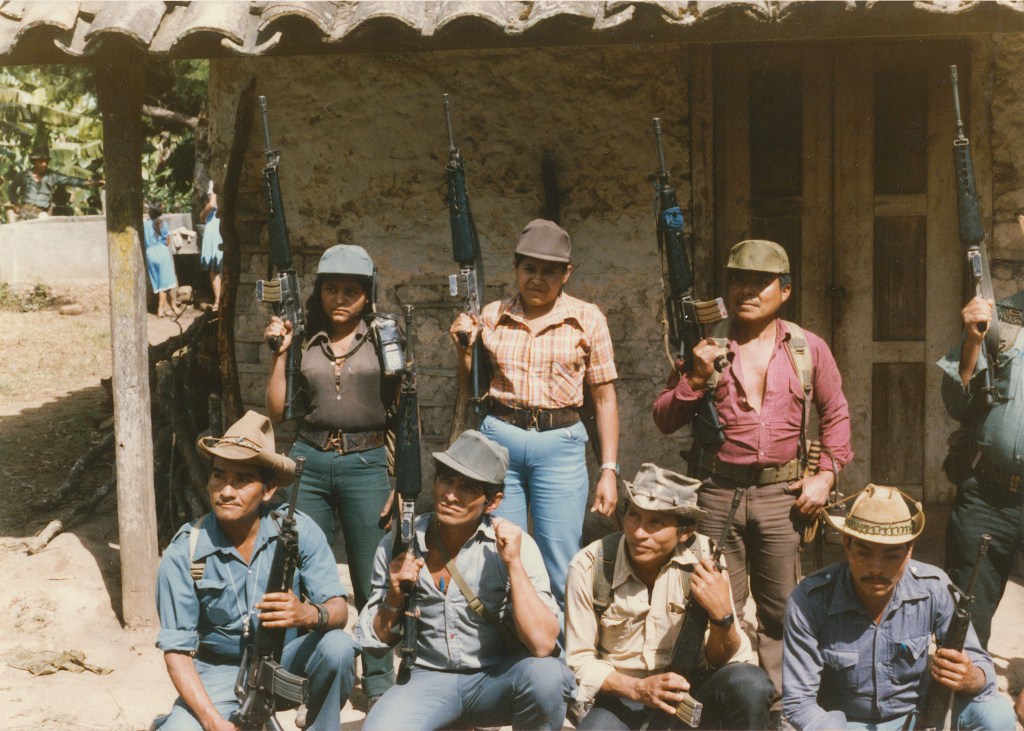
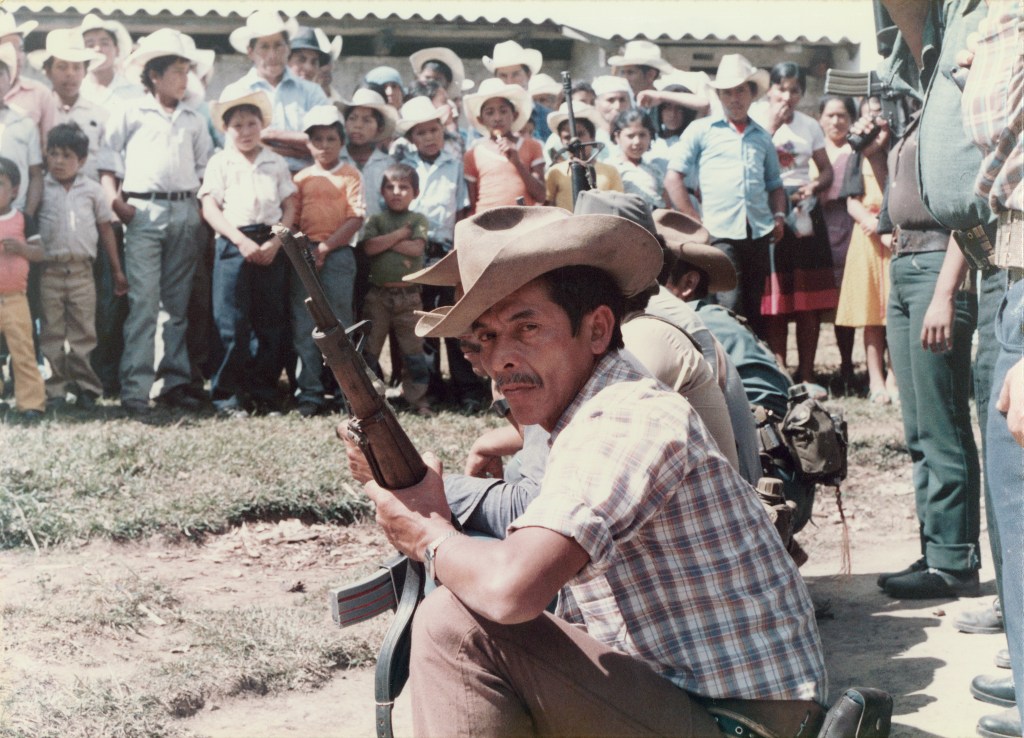
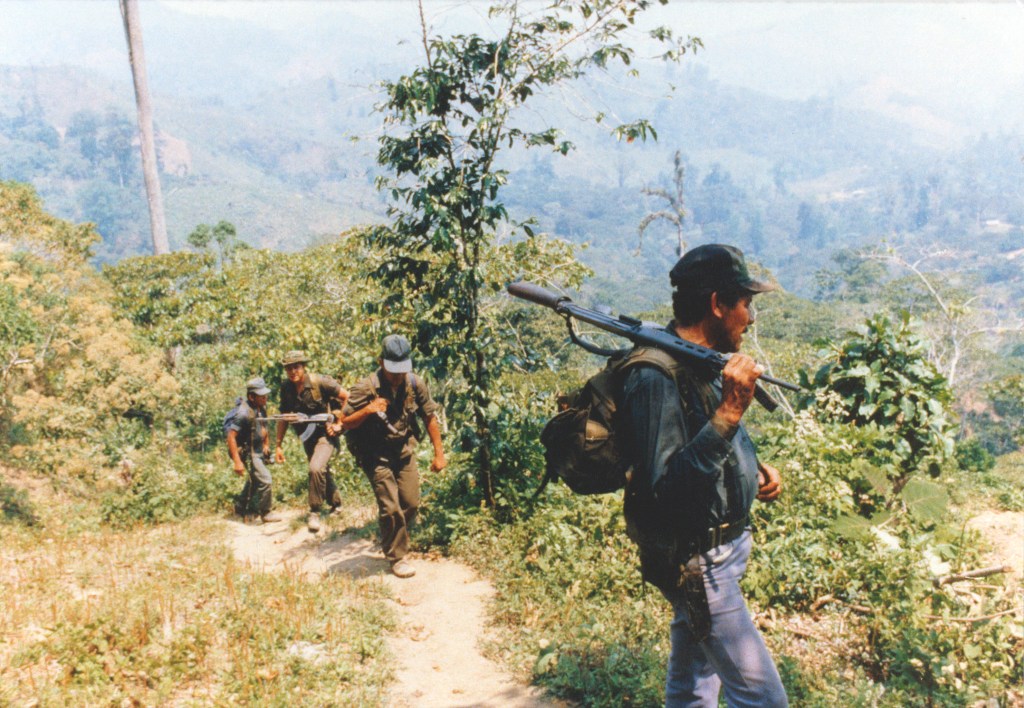
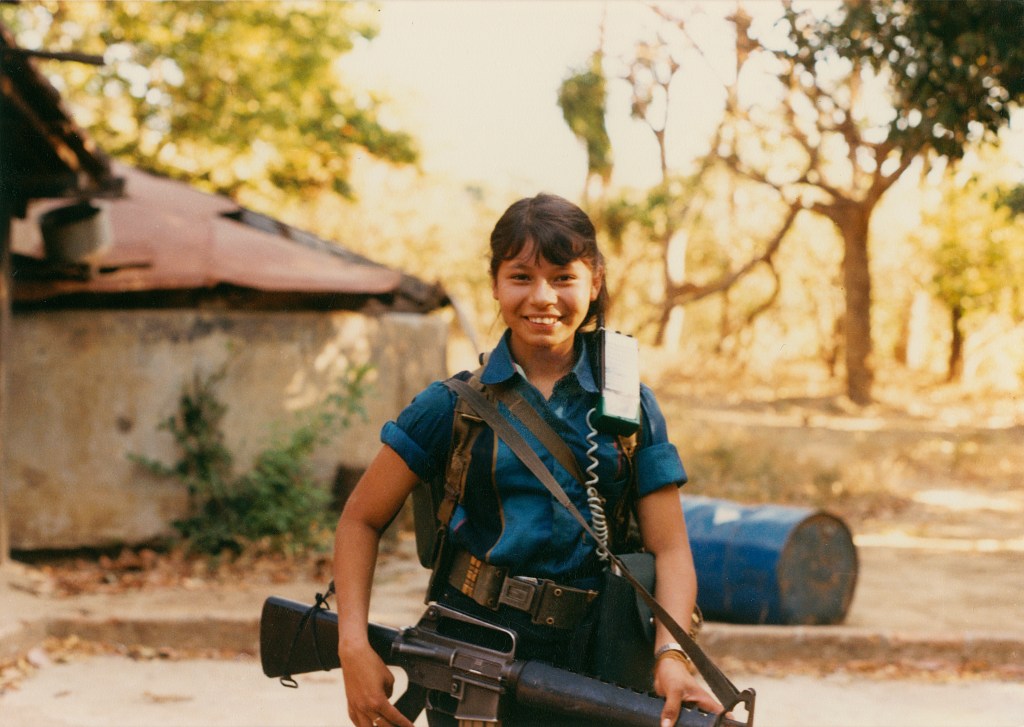
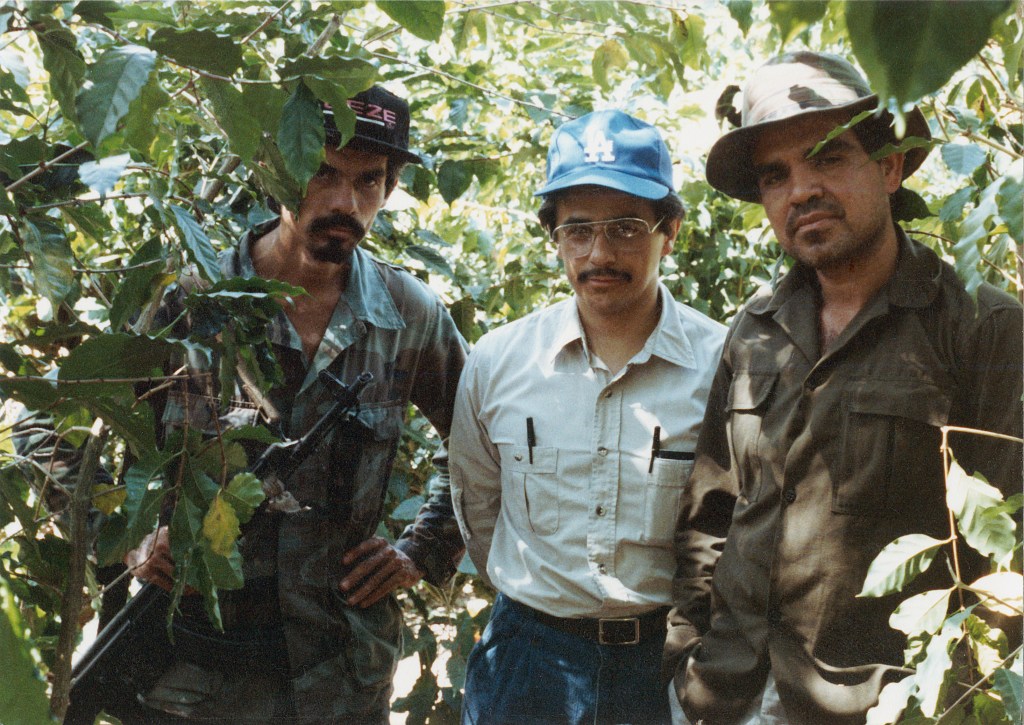
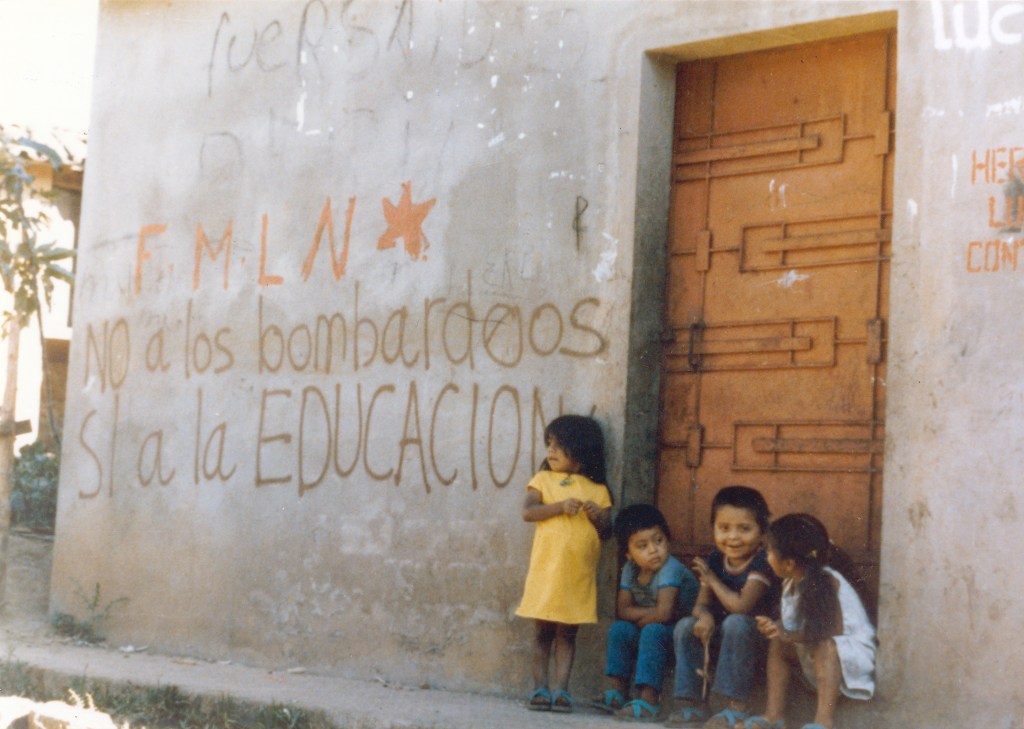
In 1984 reporting his first major story for the magazine, Chavira found himself in northern Nicaragua, embedded with a group of Contra rebels. The situation took a perilous turn as a larger Sandinista patrol closed in, pushing Chavira to the brink after a grueling fifteen-hour forced march.
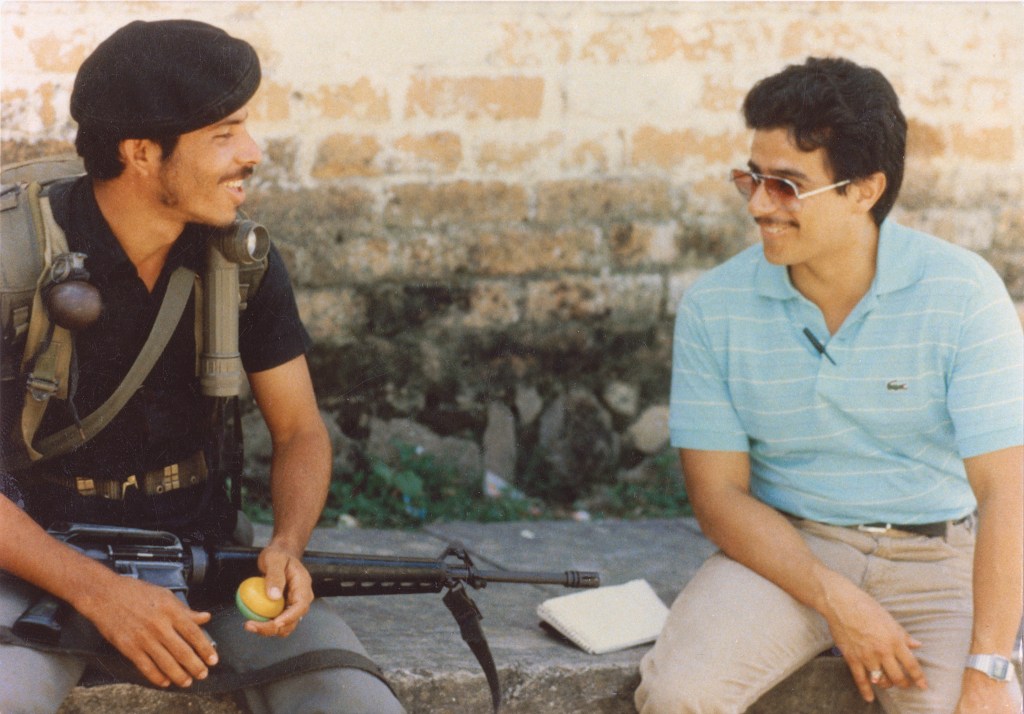
Six days deep into his foray with the rebels, exhausted, his feet mired in painful blisters, he decided to surrender to the troops hot in pursuit. Suddenly he realized that the Sandinistas would kill him if he abandoned the rebels. In his own words, he became “the quarry in a brutal war.”
A Pulitzer Prize-winning journalist, Chavira recounts his tumultuous upbringing in Pacoima, California, a marginalized community plagued by gang violence and inadequate education. Remarkably, he defied the odds, avoiding gangs, evading serious crimes, ironically, escaping the Vietnam War draft, and earning undergraduate and graduate degrees. Journalism became his passion, offering an avenue to shed light on the lives of Latinos overlooked or misrepresented by mainstream American media.
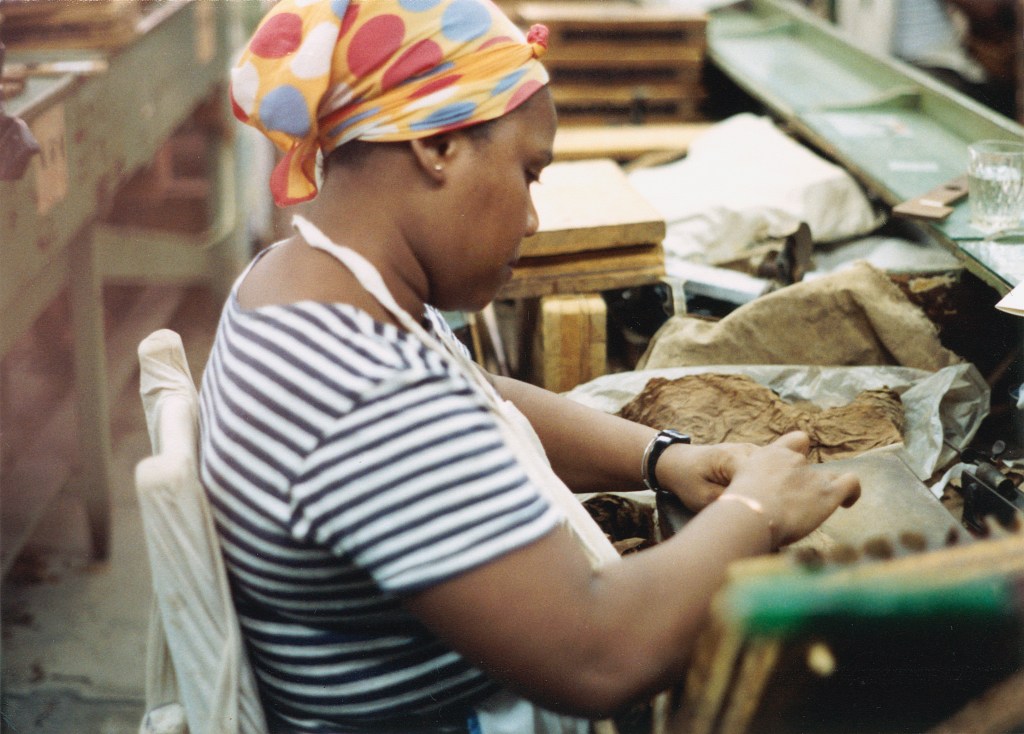
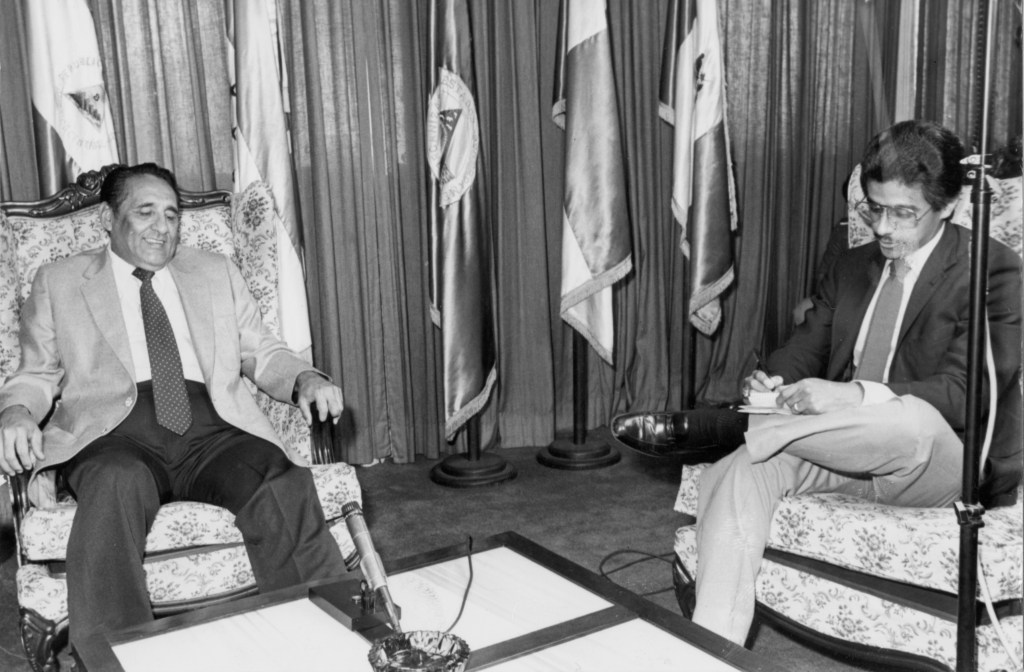
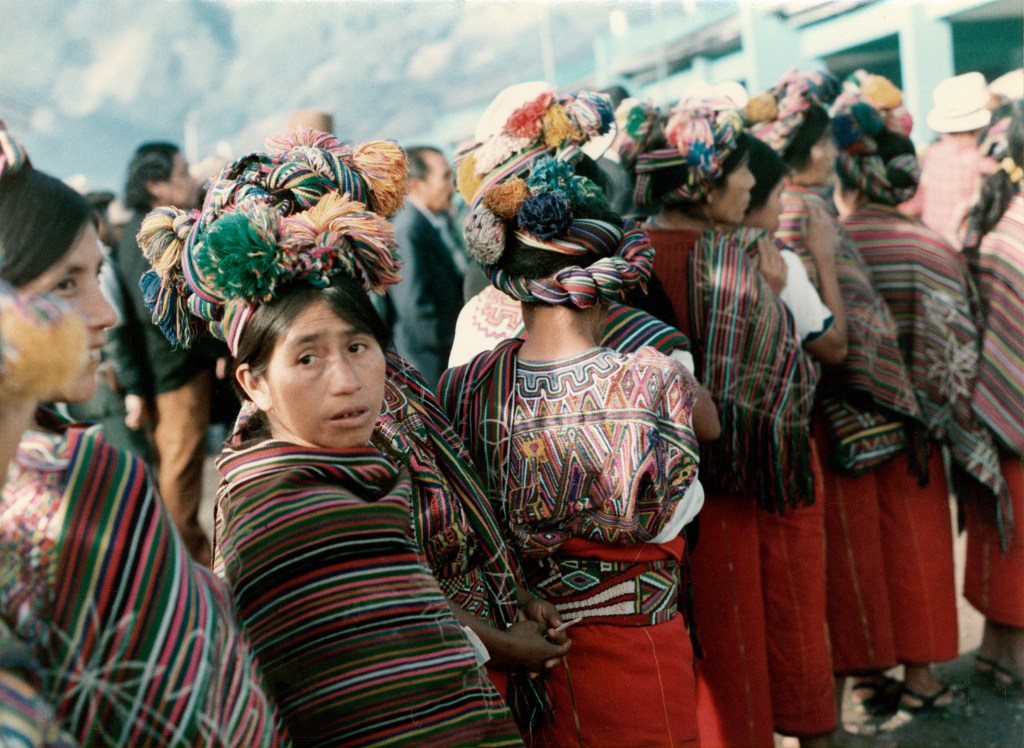
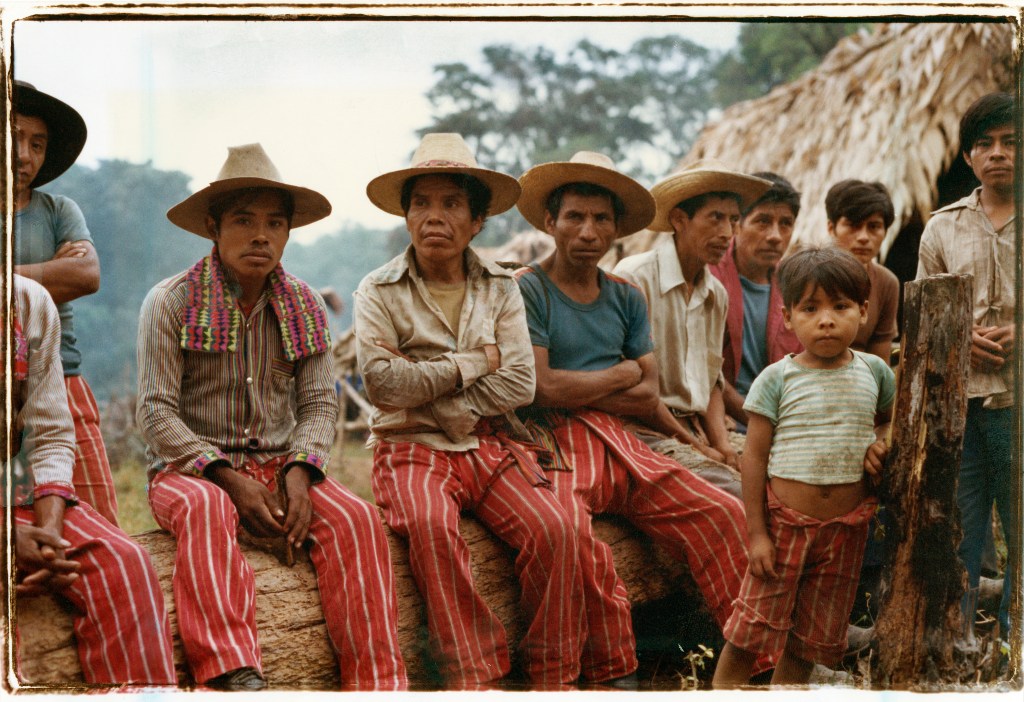
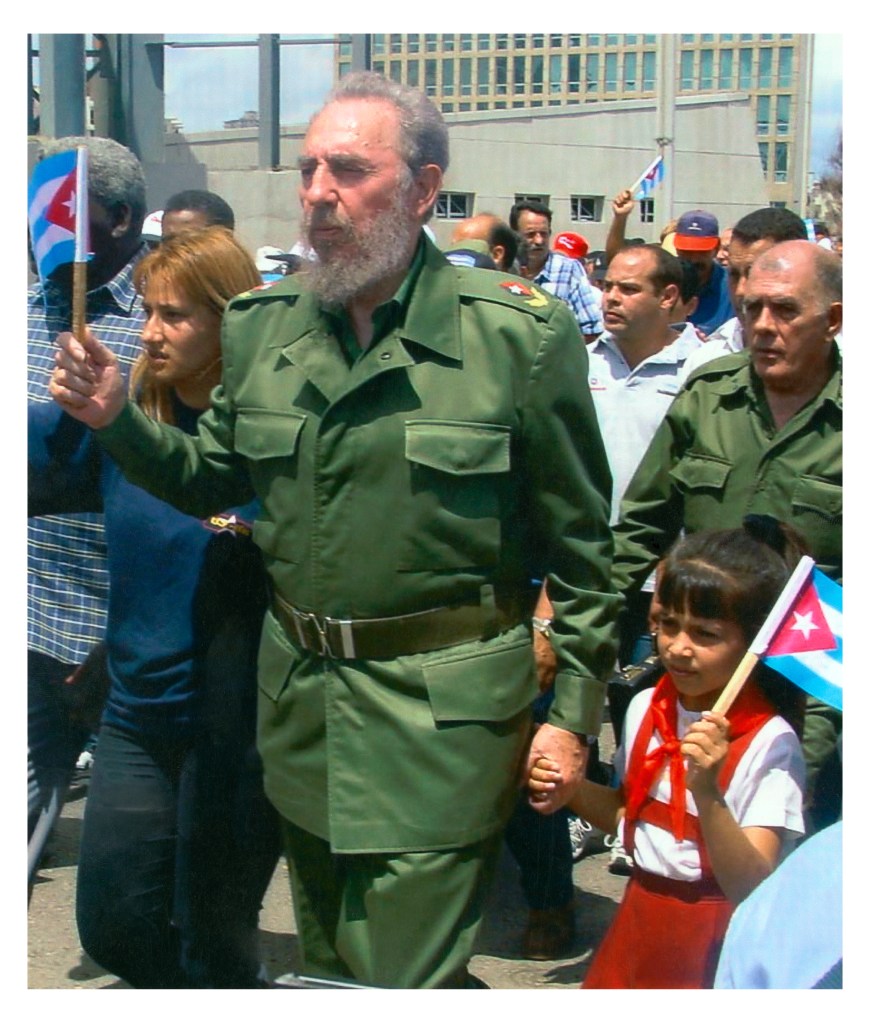
Chavira stood out as one of the few Latinos in prestigious American newsrooms. He covered natural disasters, including the devastating 1985 Mexico City earthquake, and conducted interviews with prominent figures like Mexican presidents Carlos Salinas de Gortari and Vicente Fox, as well as Panamanian dictator Manuel Noriega. Interweaving his journalistic exploits with his family’s American history, Chavira delves into his dual Mexican and American identities and how they shaped his ability to navigate and report stories worldwide.
 Ricardo Chavira Chicano